

Diagnosis
Carcinoid syndrome is difficult to diagnose as the symptoms can often be overlooked.1
Testing for carcinoid syndrome is similar to testing for GEP-NETs and includes blood and urine tests to detect excess substances that could be released from GEP-NETs. You may also undergo scans such as a CT scan to identify the location of the tumour and to see if it has spread to the liver. As well as a biopsy to help confirm a diagnosis. If you would like to know more, please visit our GEP-NETs page.
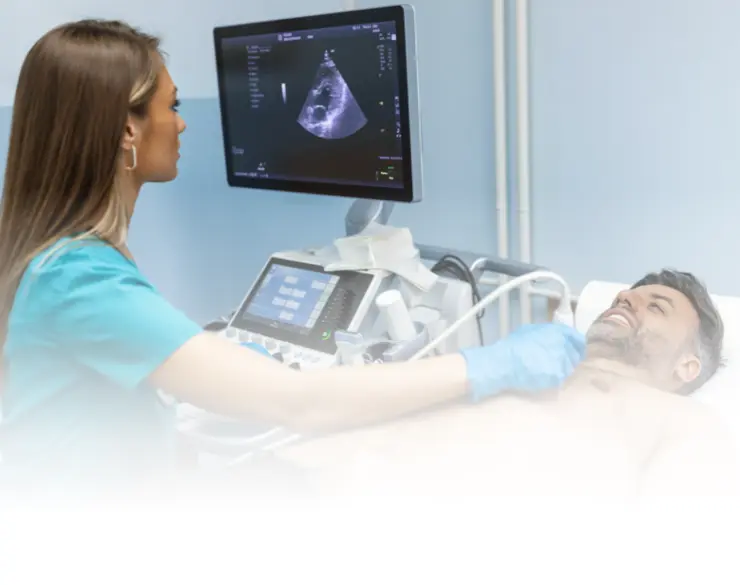
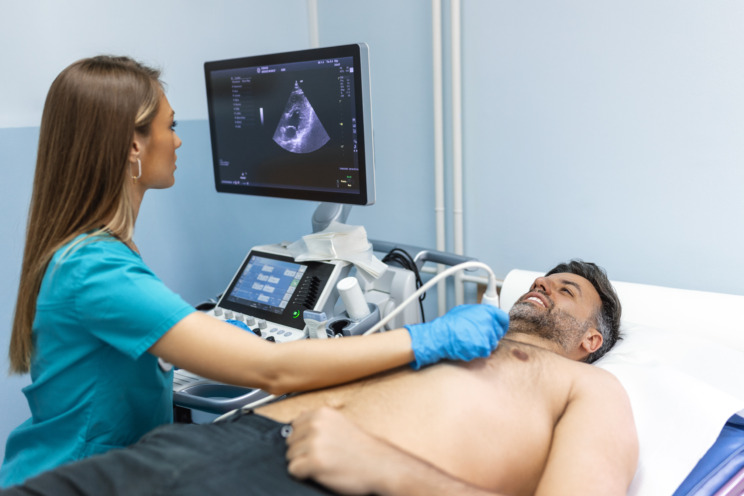
Because carcinoid syndrome can also cause heart-related issues, you may undergo an echocardiogram to help identify any abnormalities in your heart.2
As with GEP-NETs, getting a diagnosis for carcinoid syndrome can take a long time, as symptoms can be very general and mistaken for other diseases. You may find that keeping a diary of your symptoms can aid in your diagnosis and help your medical team provide the optimal treatment for you.
References
- NORD. Carcinoid Syndrome. Available at: https://rarediseases.org/rare-diseases/carcinoid-syndrome/#affected. Last accessed April 2025.
- CRUK. Carcinoid syndrome. Available at: https://www.cancerresearchuk.org/about-cancer/neuroendocrine-tumours-nets/about-carcinoid-syndrome. Last accessed April 2025.