


Symptoms
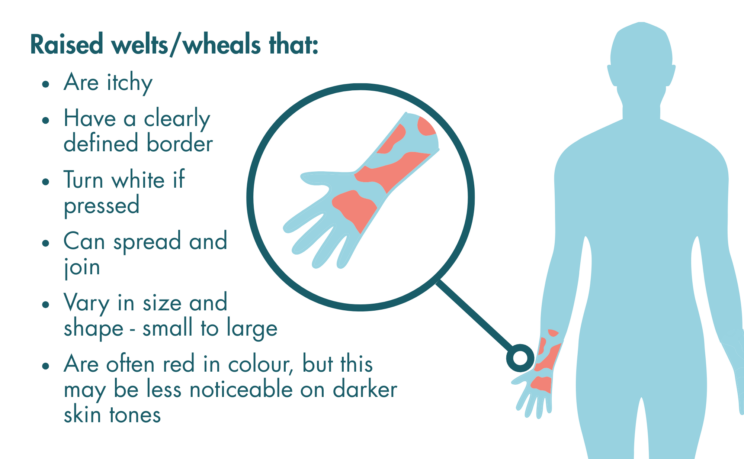
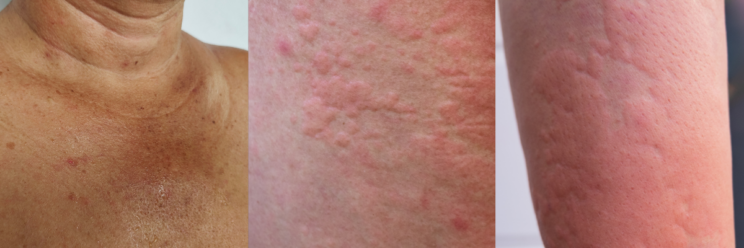
Urticaria causes itchy, raised wheals on the skin. The size of wheals and where they appear on the body can vary from person to person.
The symptoms of urticaria can vary between people, although the rash will typically last anywhere from a few minutes up to around 24 hours. CU is defined as daily itchy whealing of the skin for more than six weeks.1
Complications
CU can result in sleep deprivation, anxiety, depression, lack of energy and social isolation and result in a significant deterioration in quality of life.1
Comorbidities
Beyond experiencing the typical raised wheals that define urticaria, you may also experience other health conditions occurring alongside CU known as “co-morbidities”.
CU may be a symptom of an autoimmune or auto-inflammatory disease.
Autoimmune disorders like hypothyroidism, hyperthyroidism, celiac disease, Sjögren syndrome, systemic lupus erythematosus, rheumatoid arthritis, and type 1 diabetes mellitus are more commonly seen in patients with CU.1
References
- Chronic inducible urticaria. DermNet®. 2023. Available from: https://dermnetnz.org/topics/chronic-inducible-urticaria. Last accessed April 2025.