


Acromegaly
Acromegaly is a rare disorder that occurs when your body produces too much growth hormone during adulthood.1
Acromegaly: from the Greek for extremities (acro) and great (megaly)
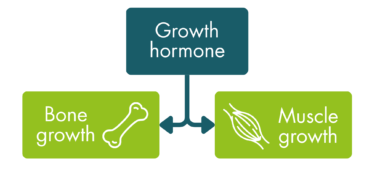
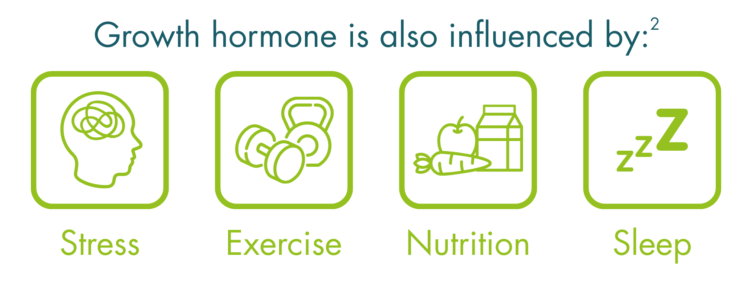
Growth hormone not only makes you grow taller, it also tells your muscles and organs to grow and affects how your body uses energy, such as fat, protein, and carbohydrates.2
The balance of growth hormone in your body is controlled by levels of other hormones in your blood and fluctuates throughout the day.
In acromegaly, because too much growth hormone is being produced, your bones begin to grow, including those in your hands, feet and face.3 These changes can take a long time to appear, and to start with, you might notice that your hands and feet are swollen or you’ve had to change your shoe or ring size.3 Tiredness and difficulty sleeping are also symptoms.3
It's important to remember that acromegaly can be treated, so it you think you may be experiencing symptoms, speak to your doctor
How many people have acromegaly?
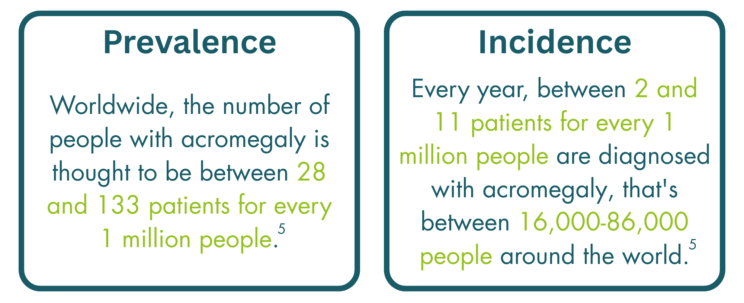
Acromegaly is classified as a rare condition, which means it affects fewer than 1 person in every 2,000.4
References
- NHS England. Acromegaly. Available at: https://www.nhs.uk/conditions/acromegaly/. Last accessed April 2025.
- Brinkman JE, Tariq MA, Leavitt L, Sharma S. Physiology, Growth Hormone. In: StatPearls. Treasure Island (FL): StatPearls Publishing; May 1, 2023.
- Mayo Clinic. Acromegaly. Available at: https://www.mayoclinic.org/diseases-conditions/acromegaly/symptoms-causes/syc-20351222. Last accessed April 2025.
- Orphanet. About rare diseases. Available at: https://www.orpha.net/en/other-information/about-rare-diseases. Last accessed April 2025.
- Orphanet. Acromegaly. Available at: https://www.orpha.net/en/disease/detail/963?name=acromegaly&mode=name. Last accessed April 2025.